What is Iron Deficiency Anemia?
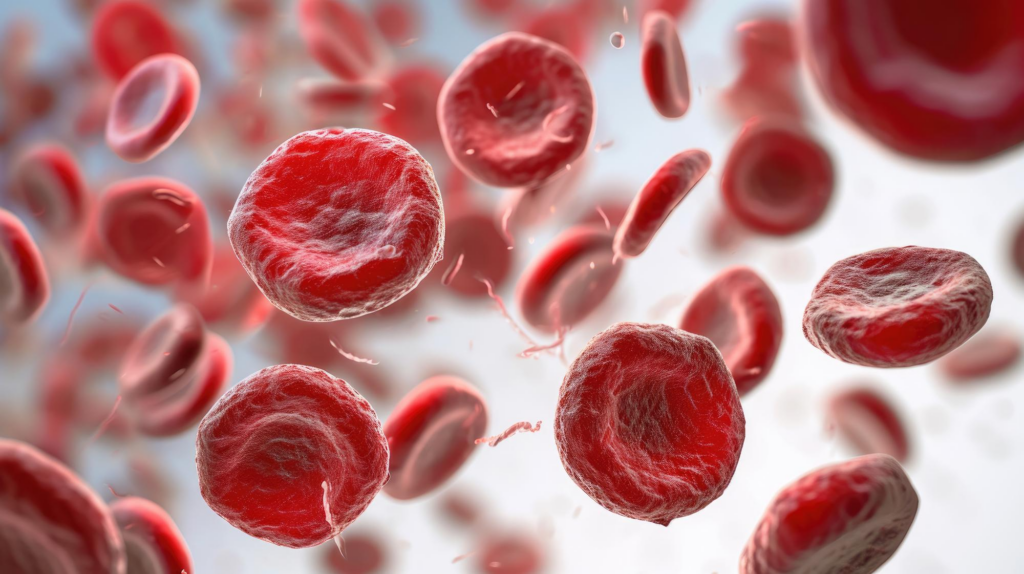
Iron deficiency anemia is a common blood condition. It happens when your body does not have enough iron. Iron helps make hemoglobin, which carries oxygen in your blood. Without enough iron, your body cannot get the oxygen it needs. As a result, you may feel tired or weak. According to the World Health Organization (WHO), iron deficiency anemia affects millions of people worldwide. This condition can affect anyone, but it is more common in women and children.
Common Symptoms
Many people do not notice signs of anemia at first. However, symptoms can become clear as the condition gets worse. Early detection is important. Here are some common signs of iron deficiency anemia:
Sometimes, symptoms are mild. But as iron levels drop, they can become more noticeable. If you notice these signs of anemia, it is important to talk to your doctor.
Main Causes
There are several reasons why someone may develop iron deficiency anemia. Understanding the cause helps guide treatment. Here are the main causes:
Sometimes, more than one cause can be present. For example, a person may have both poor diet and blood loss.
How Iron Deficiency Anemia is Diagnosed
Doctors use several steps to diagnose iron deficiency anemia. First, they ask about your symptoms and medical history. Next, they may do a physical exam. However, the main way to confirm anemia is through blood tests. These tests check:
Sometimes, your doctor may order more tests to find the cause. For example, they may check for bleeding or problems with iron absorption. Early anemia diagnosis helps prevent serious problems.
Treatment Options
Treatment for iron deficiency depends on the cause and how severe it is. Most people start with simple steps. Here are common treatment options:
It is important to follow your doctor’s advice. Taking too much iron can be harmful. Also, vitamin C can help your body absorb iron better. For example, drinking orange juice with your meal may help.
Prevention Tips
Preventing anemia is possible for many people. Simple changes can make a big difference. Here are some tips for preventing anemia:
With these steps, you can lower your risk of iron deficiency anemia.
When to See a Doctor
Sometimes, mild symptoms may not seem serious. However, it is important to seek medical advice if you notice:
Early treatment can prevent problems. If you think you may have iron deficiency anemia, do not wait. Your doctor can help find the cause and suggest the best treatment.
Consult a healthcare professional for personalized advice on iron deficiency anemia.