Introduction
Blood cancer and immune function are closely linked. Blood cancers, such as leukemia, lymphoma, and myeloma, can weaken the immune system. Because the immune system protects us from infections, it is important to know how blood cancer affects it. Understanding this link helps patients and families make better treatment choices. In this blog, we will explain how blood cancer impacts the immune system, common symptoms, diagnosis, treatment options, and ways to support immune health.
What is Blood Cancer?
Blood cancer is a group of diseases that affect the blood, bone marrow, or lymphatic system. The main types are:
Each type of blood cancer changes how blood cells work. As a result, the body may not fight infections as well.
How Blood Cancer Impacts the Immune System
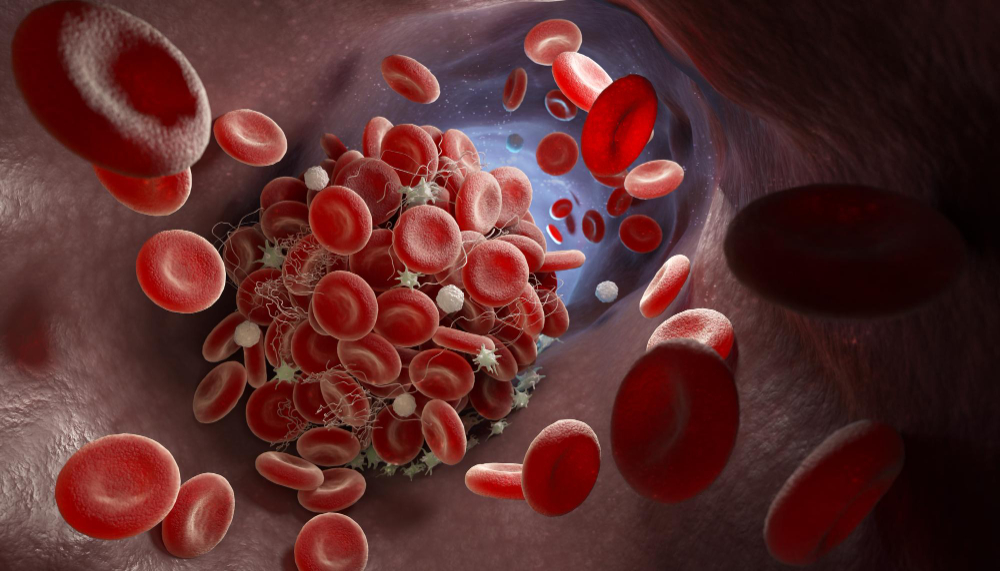
Blood cancer immune response is often weaker than normal. This happens because cancer cells crowd out healthy blood cells. For example, white blood cells help fight germs. But, in blood cancer, there may be too few healthy ones. Because of this, the immune system cannot protect the body as well. In addition, some treatments can lower immunity even more. According to the CDC, people with blood cancer have a higher risk of infections. Therefore, it is important to monitor immune health during and after treatment.
Common Symptoms and Warning Signs
Blood cancer symptoms can be mild at first. However, they may become more serious over time. Watch for these warning signs:
If you notice these symptoms, see a doctor soon. Early diagnosis can improve treatment outcomes.
Diagnosis of Blood Cancer
Doctors use several tests to diagnose blood cancer. First, they may do a physical exam and ask about symptoms. Next, blood tests check for abnormal cells. Sometimes, a bone marrow biopsy is needed. This test looks at the cells inside your bones. Imaging tests, like CT scans, can show if cancer has spread. Because early diagnosis is key, do not delay medical care if you have symptoms.
Treatment Choices for Blood Cancer
Treatment options for blood cancer depend on the type and stage. Common treatments include:
In some areas, access to advanced treatments may vary. Therefore, ask your doctor about the best options available in your location. Each treatment has benefits and side effects. So, discuss these with your care team before making a choice.
Managing Immune Health During and After Treatment
Supporting the immune system is important during and after blood cancer treatment. Here are some tips:
Because treatments can lower immunity, regular monitoring is needed. If you notice signs of infection, contact your doctor right away. Immune system support in cancer care can help reduce risks and improve recovery.
Prevention and Lifestyle Tips
While not all blood cancers can be prevented, healthy habits may lower your risk. For example:
Although these steps cannot guarantee prevention, they support a stronger immune system and better health.
Conclusion
In summary, blood cancer and immune function are closely connected. Blood cancer can weaken the immune system, making infections more likely. Early diagnosis, the right treatment options, and good immune support are key. Always consult a hematologist or cancer specialist for personalized advice on blood cancer and immune health.