What is Deep Vein Thrombosis?
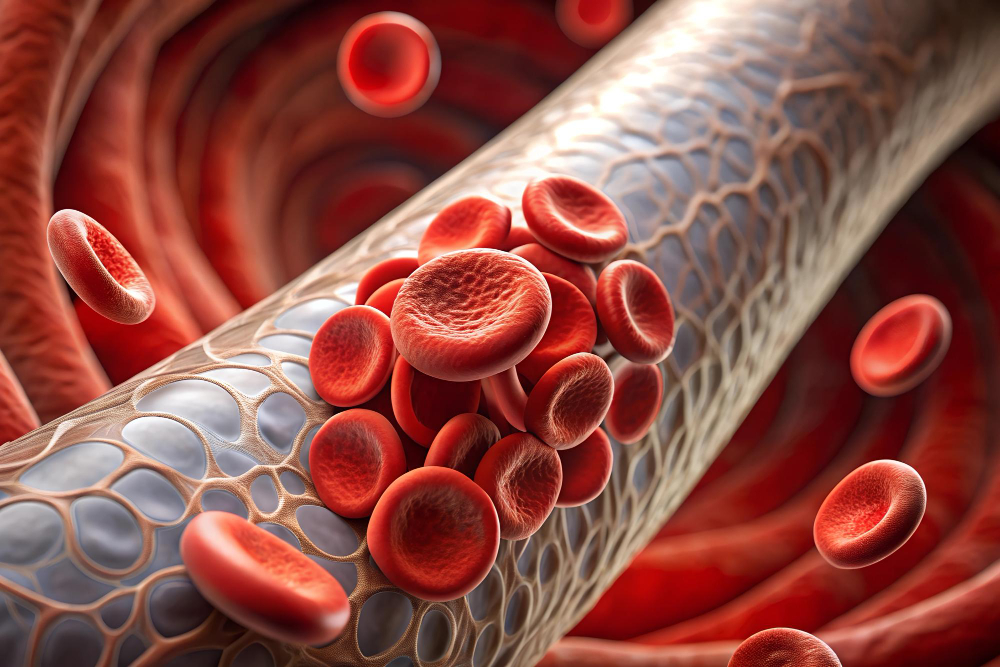
Deep Vein Thrombosis, or DVT, is a blood clot that forms in a deep vein. Most often, this happens in the legs. However, it can also occur in other parts of the body. DVT can cause pain, swelling, and redness. Sometimes, it may not cause any symptoms at all. Because DVT can lead to serious problems, it is important to know about Deep Vein Thrombosis treatment options. According to the CDC, DVT can become life-threatening if the clot travels to the lungs. This is called a pulmonary embolism.
Why Prompt Treatment Matters
Early treatment for DVT is very important. Without quick care, the blood clot can grow. As a result, it may break off and travel to the lungs. This can block blood flow and cause a medical emergency. In addition, untreated DVT can damage the veins over time. Therefore, starting treatment as soon as possible helps prevent these risks. The World Health Organization and CDC both stress the need for fast action.
Main Treatment Options for DVT
Doctors use several methods to treat DVT. The goal is to stop the clot from growing and prevent new clots. Below are the main Deep Vein Thrombosis treatment options.
Anticoagulant Medications
Anticoagulants are also called blood thinners. These medicines help prevent new clots and stop existing ones from getting bigger. Common DVT medication options include:
Doctors will choose the best medicine based on your health and needs. Usually, you will take these medicines for at least three months. Sometimes, treatment may last longer.
Thrombolytic Therapy
In some cases, doctors use thrombolytic therapy. This treatment uses special drugs to dissolve large blood clots quickly. However, it is only used for severe DVT or when other treatments do not work. Because thrombolytics can cause bleeding, doctors use them with care. This option is usually given in a hospital setting.
Compression Stockings
Compression stockings are tight-fitting socks that help improve blood flow in the legs. They reduce swelling and lower the risk of long-term problems. For example, they can help prevent post-thrombotic syndrome, which causes pain and swelling after DVT. Your doctor may suggest wearing these stockings daily for several months.
Surgical Procedures
Sometimes, surgery is needed to treat DVT. For example, doctors may place a filter in a large vein called the vena cava. This filter catches clots before they reach the lungs. Surgery is rare and only used when other treatments are not possible or do not work. Your healthcare team will explain if this option is right for you.
Lifestyle Tips During Treatment
While you are being treated for DVT, certain lifestyle changes can help. For instance, you should:
Additionally, talk to your doctor before starting any new exercise or diet plan. This helps ensure your safety during treatment.
Preventing DVT Recurrence
After treatment, it is important to prevent DVT from coming back. Here are some tips for preventing blood clots:
Moreover, let your doctor know if you have a family history of blood clots. They may suggest extra steps to keep you safe. The CDC and medical journals support these prevention tips.
In summary, Deep Vein Thrombosis treatment options include medications, special therapies, and lifestyle changes. For the best results, always follow your healthcare provider’s advice. Consult a healthcare professional for personalized advice on Deep Vein Thrombosis treatment.
Sources: Centers for Disease Control and Prevention (CDC)