What is Iron Deficiency Anemia?
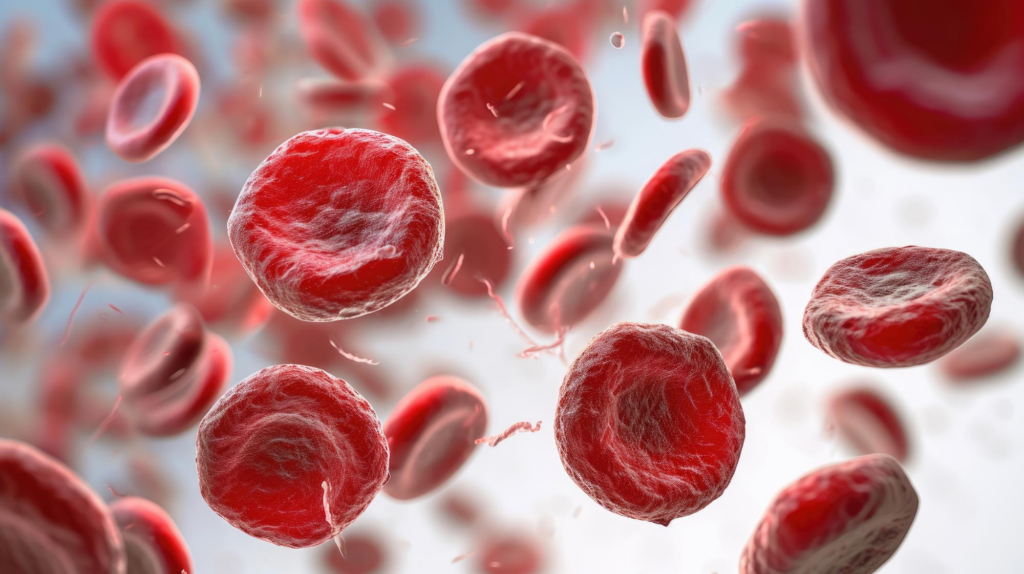
Iron deficiency anemia is a common blood condition. It happens when your body does not have enough iron. Iron helps make hemoglobin, which carries oxygen in your blood. Without enough iron, your body cannot make enough healthy red blood cells. As a result, you may feel tired or weak. In the United States, iron deficiency anemia affects many people, especially women and children. According to the CDC, it is the most common type of anemia worldwide.
Common Symptoms
Often, symptoms of iron deficiency anemia develop slowly. However, some people may not notice any signs at first. Over time, you may experience:
Because these signs of anemia can be mild at first, it is important to pay attention to your body. If you notice these symptoms, talk to your doctor.
Causes and Risk Factors
There are several reasons why someone may develop iron deficiency anemia. Some common causes include:
Additionally, certain groups have a higher risk. For example, young children, pregnant women, and people with chronic diseases are more likely to develop iron deficiency anemia. Eating a diet low in iron-rich foods, such as red meat or leafy greens, can also increase your risk.
Diagnosis Methods
Doctors use several tests to diagnose iron deficiency anemia. First, your doctor will ask about your symptoms and medical history. Then, they may order blood tests, such as:
Sometimes, your doctor may look for the cause of blood loss or poor iron absorption. Early diagnosis helps prevent complications and guides how to treat iron deficiency.
Treatment Options
Treating iron deficiency anemia depends on the cause and severity. Most people can improve with simple steps. Common treatment options include:
In some cases, doctors may give iron through a vein if pills do not work. Always follow your doctor’s advice on how to treat iron deficiency. Taking too much iron can be harmful, so never self-medicate.
Lifestyle and Dietary Guidance
Making healthy choices can help your body absorb more iron. For example, you can:
Furthermore, planning balanced meals helps prevent low iron levels. If you follow a vegetarian or vegan diet, talk to your doctor about getting enough iron.
Prevention Tips
There are simple steps you can take for anemia prevention. Here are some helpful tips:
Because early action can stop problems before they start, it is wise to stay informed and proactive.
In summary, iron deficiency anemia is common but treatable. If you notice symptoms or have concerns, consult a healthcare professional for personalized advice on iron deficiency anemia.