Introduction to Sickle Cell Disease
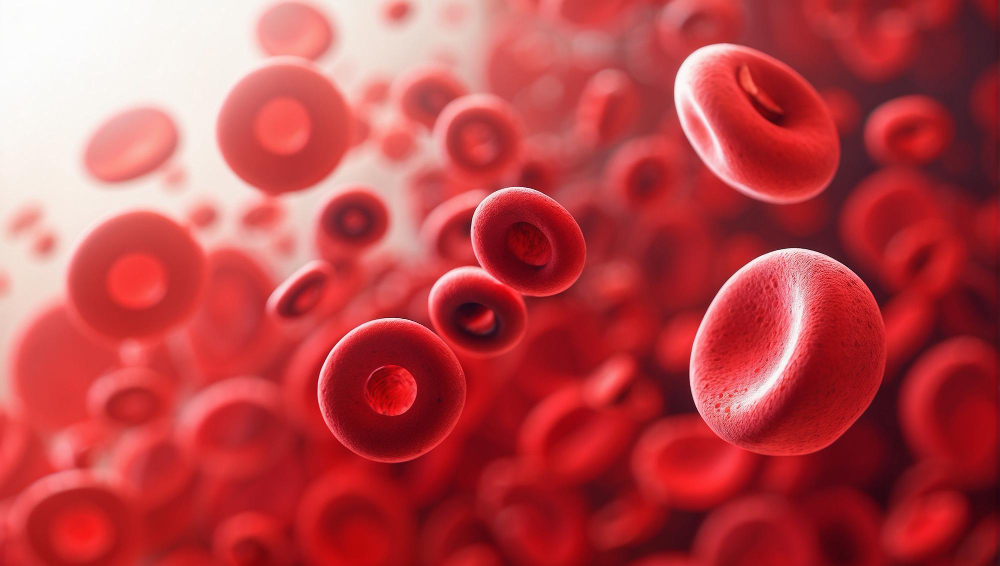
Sickle cell disease is a genetic blood disorder. It affects how red blood cells work in the body. Normally, red blood cells are round and flexible. However, in sickle cell disease, these cells become stiff and shaped like a crescent or “sickle.” Because of this, they can block blood flow and cause health problems. According to the CDC, sickle cell disease affects millions worldwide. Early recognition of sickle cell disease symptoms is important for better health.
Most Common Symptoms of Sickle Cell Disease
People with sickle cell disease may have different symptoms. Still, some signs are more common than others. Below are the main symptoms to watch for:
How Symptoms May Appear in Daily Life
Symptoms of sickle cell disease can affect daily activities. For example, a child may miss school because of pain crises. Adults may find it hard to work or exercise due to fatigue. Sometimes, people notice yellow eyes or skin, which can be a sign of jaundice. Infections like pneumonia may happen more often. Because of delayed growth, children may be shorter than their peers. Vision problems might make it hard to read or see clearly. Although symptoms can vary, they often disrupt normal routines.
When to Seek Medical Attention
It is important to know when to get help. You should contact a doctor if you notice:
Early treatment can prevent serious problems. Therefore, do not wait if you are unsure. It is always better to check with a healthcare provider.
Tips for Managing Sickle Cell Disease Symptoms
While sickle cell disease cannot be cured, you can manage symptoms and lower the risk of complications. Here are some helpful tips:
Additionally, learning about sickle cell disease can help you make better choices every day. Support from family, friends, and support groups can also make a big difference.
Conclusion
Sickle cell disease symptoms can affect many parts of life. However, knowing the signs and acting early can help you stay healthier. If you or someone you know has sickle cell disease, consult a healthcare specialist for personalized advice on sickle cell disease symptoms.