Sickle cell disease (SCD) is a big deal because it affects millions globally, especially in African, Mediterranean, and Middle Eastern populations. Signs and symptoms of sickle cell disease can appear early, making it crucial for timely intervention. If diagnosed early, people affected can have a better quality of life. But, it’s essential to first understand how the disease shows itself. This is why this blog aims to clear up misconceptions about this condition and bring more awareness to the clinical manifestation of sickle cell disease. Knowing these first signs can make a huge difference.
Understanding Sickle Cell Disease: What It Is and How It Affects The Body
Sickle cell disease is a condition inherited genetically. This means it’s passed down from parents to children through genes. It happens when there are some changes in the genes that affect how red blood cells are made.
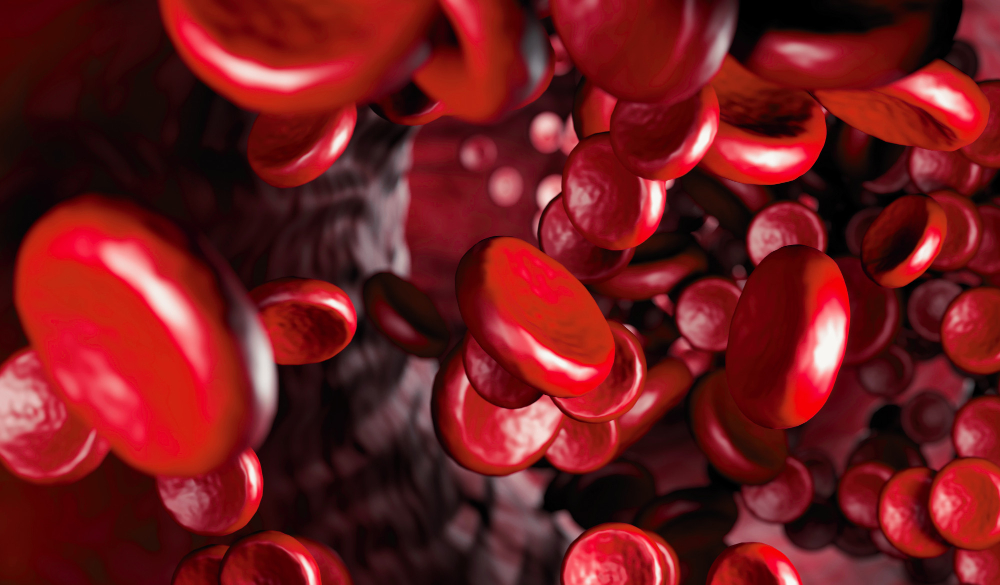
In healthy individuals, red blood cells are smooth and round. This shape helps them move easily through blood vessels. But in people with sickle cell disease, many red blood cells become shaped like a sickle or a crescent moon, instead of round. This makes them more rigid and sticky, causing them to get stuck in small blood vessels. When that happens, blood flow slows or even stops. This is why people with sickle cell disease often feel pain and may have other health issues.
Because red blood cells are responsible for carrying oxygen, having sickle-shaped cells can disrupt oxygen transportation. Organs and tissues need a good oxygen supply to work properly. Without it, they may face issues or get damaged over time. This is why individuals with sickle cell disease may experience different health problems. It depends on which part of the body is affected.
Sickle cell disease is chronic, which means it lasts for a long time, often a lifetime. Its effects can vary significantly. Some might have mild symptoms, while others have more severe cases. Everyone’s experience is different, but understanding how this disease affects the body is a big step in managing it effectively.
Recognizing Early Signs and Symptoms: Importance of Early Detection
Identifying the signs and symptoms of sickle cell disease early is beneficial. Anemia, jaundice, and painful episodes known as sickle cell crises are common early signs.
Here are some common symptoms to look for:
1. Anemia: This is when there’s not enough healthy red blood cells, leading to fatigue and weakness. 2. Jaundice: This appears as a yellow tint in the skin or eyes, due to the breaking down of red blood cells. 3. Pain Episodes: Known as sickle cell crises, these are painful moments that can occur anywhere in the body.
People with sickle cell disease are also at a higher risk for infections. The body’s immune response is often compromised. Pneumonia and meningitis are infections they might be more prone to.
The signs and symptoms of sickle cell disease might start showing when a person is a baby. As the person grows, symptoms may evolve in severity and type. This difference arises from personal body conditions and environmental factors.
Diagnosing sickle cell disease early can change a person’s life. Medical evaluations often involve looking for these signs, and possibly genetic testing. Early diagnosis is so helpful because it allows for better symptom management.
Newborn screening programs play a crucial role in early detection. When infants are screened shortly after birth, it allows for proactive management. This can reduce the complications they might face as they grow. The goal is always to catch it early, manage it well, and live the best possible life without frequent interference from signs and symptoms of sickle cell disease.
Managing Sickle Cell Disease: Treatment, Prevention, and Daily Life Impacts
Several treatments help ease the clinical manifestation of sickle cell disease and focus on improving quality of life.
Some typical Sickle Cell Disease treatment options include:
- Hydroxyurea: A medication that can reduce pain episodes.
- Blood Transfusions: Help to add healthy red blood cells and manage anemia.
- New Treatments: Ongoing research is always seeking better ways to treat this disease successfully.
Prevention is also vital for managing the disease effectively.
- Vaccinations: Important to prevent infections that people with sickle cell might catch easily.
- Antibiotics: Regular use can fend off certain infections.
- Lifestyle Guidance: Proper diet, hydration, and avoiding extreme temperatures help manage symptoms.
Facing daily challenges due to SCD can be tough. Individuals often deal with ongoing pain, which can be exhausting. They need strategies and support to maintain their health. Support systems, including family, friends, and community resources, are incredibly helpful. These networks provide both physical and emotional aid.
Promoting awareness and community involvement is key. Advocacy efforts focus on educating people and supporting those affected. Understanding signs and symptoms of sickle cell disease, practicing Sickle Cell Disease prevention, and staying informed on Sickle Cell Disease treatment helps to foster a supportive environment for everyone involved.