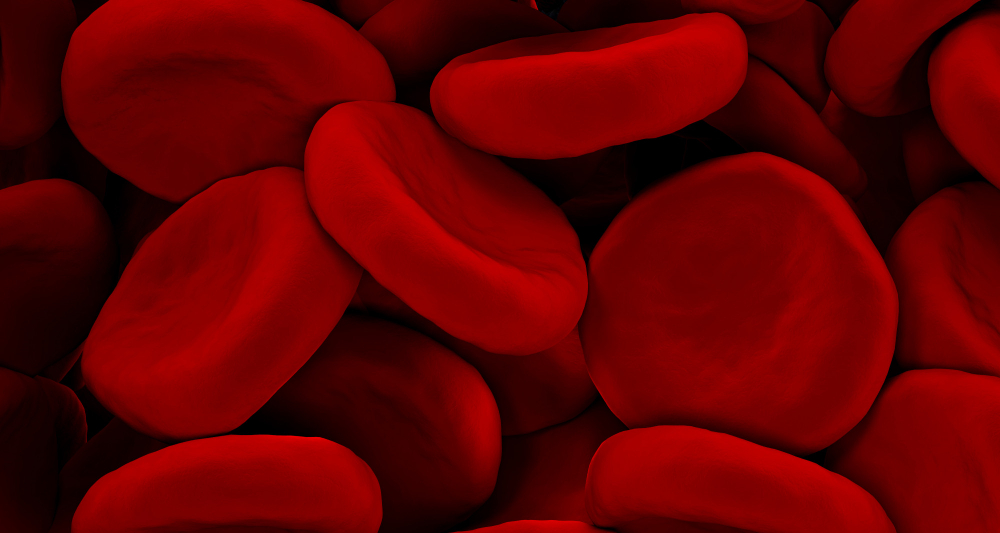
Polycythemia Vera, often known as PV, is a rare blood condition. It occurs when the body makes too many red blood cells. These extra cells thicken your blood, slowing its flow. This can lead to serious issues such as heart attacks or strokes. While PV isn’t very common, understanding it is crucial. This awareness helps in spotting early symptoms. Without management, what happens if polycythemia is not treated can be severe. The risk of complications rises if PV isn’t diagnosed early. Thus, public awareness and education are key.
Understanding the Nuances of Polycythemia Vera
In simple terms, what is polycythemia vera? It is a condition where your bone marrow makes more red blood cells than normal. These cells carry oxygen in the body. With too many, the blood becomes thicker than it should be. What is the most common cause of polycythemia? It’s often linked to a gene mutation. It is important not to confuse PV with other blood disorders. PV is specifically about the overproduction of red blood cells, which is different from disorders affecting white blood cells or platelets.
Symptoms & Effects of Polycythemia Vera
Let’s talk about what are the most common symptoms of polycythemia. These include:
- Fatigue
- Headaches
- Dizziness
These symptoms affect everyday activities. Imagine trying to work or exercise while constantly dizzy or tired. It becomes hard to keep up with daily routines. The effects of polycythemia can feel overwhelming. Lifestyle changes often become necessary. Timing and managing activities around symptoms can make life easier.
Navigating Treatment and Lifelong Management of PV
Diagnosis is the first step. An essential test is the PV blood test. This involves checking your blood’s thickness and red cell count. Detecting PV early can make treatment more effective. So, what happens next? What is the treatment of polycythemia? Two standard treatments are:
- Phlebotomy: Regularly removing blood to reduce blood cell count.
- Medication: Drugs to reduce cell production or thicken blood.
Research is ongoing, with new advances appearing regularly. Specialists in hematology often lead these discoveries. In India, healthcare facilities are adapting to provide specialized services. Doctors guide patients in treatment, ensuring options fit individual needs.
Lifestyle adjustments also play a big role. Keeping a healthy diet and exercising helps manage PV. Staying active boosts your body’s ability to circulate blood. Regular check-ups ensure you’re on the right track. These practices help manage symptoms, helping improve quality of life.
Understanding the basics of PV allows a proactive approach. Recognizing and addressing symptoms early can prevent severe issues. It’s not just about surviving but living well. Education and awareness are key in battling this rare condition.